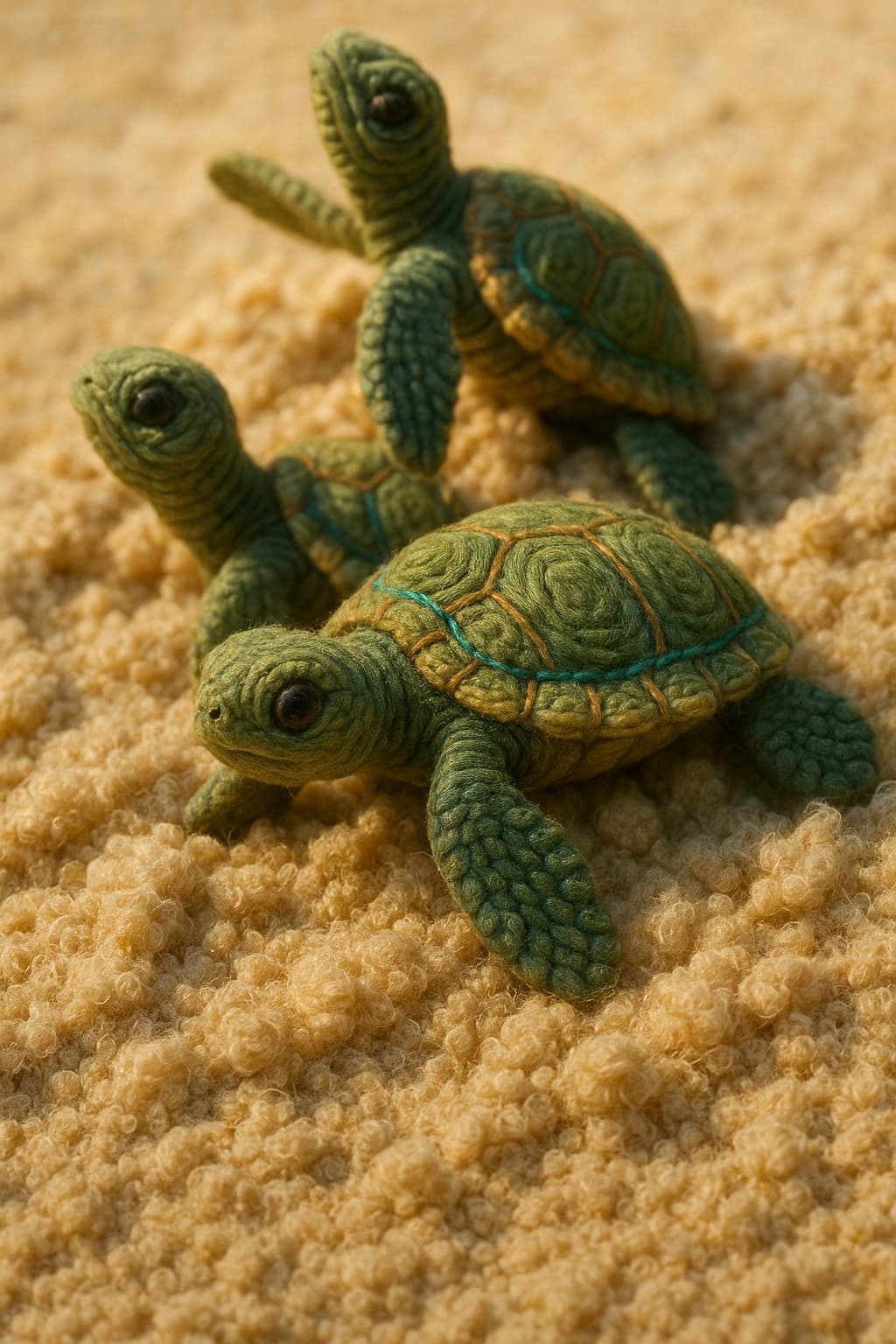
The 4o image-generation model is consistently underwhelming—its long-form prompt comprehension may function, but the outputs remain lifeless, uniformly washed in that infamous piss yellow tint that seems to be its visual signature. This yellowish or sepia-like bias isn’t unique to 4o; it’s been widely documented across AI-generated imagery, especially in platforms like ChatGPT, and has even become meme-worthy within the AI community. Tools such as “Yellowtint” and “UnYellowGPT” were created specifically to counteract this pervasive issue.
Moreover, the model struggles when asked to render less common or stylized concepts—anything beyond heavily referenced genres like generic realism or mainstream anime tends to fall flat in terms of creativity and nuance.
By contrast, DALL·E 3 sets a much higher standard. Integrated into ChatGPT, it generates more coherent, detailed, and expressive imagery by reframing even terse prompts into richer, expertly crafted instructions—thanks to its prompt-rewriting capabilities. sers can refine or tweak outputs via simple conversational instructions, making each generation feel both more deliberate and uniquely tailored.
If DALL·E 3 were enhanced further—say, with knowledge updates or the ability to intake user-supplied reference images—it could significantly outperform models like 4o in creativity, style adaptation, and output quality. This is not speculative: DALL·E 3 already supports style choices like “vivid” or “natural” and different quality tiers (standard or HD), and it excels at interpreting nuanced, multi-domain prompts.
I’d much rather use a model that feels alive and creatively responsive, rather than one that mechanically checks off prompt elements—especially when the latter leaves me with images that look dull and tinted by that unmistakable yellow haze.