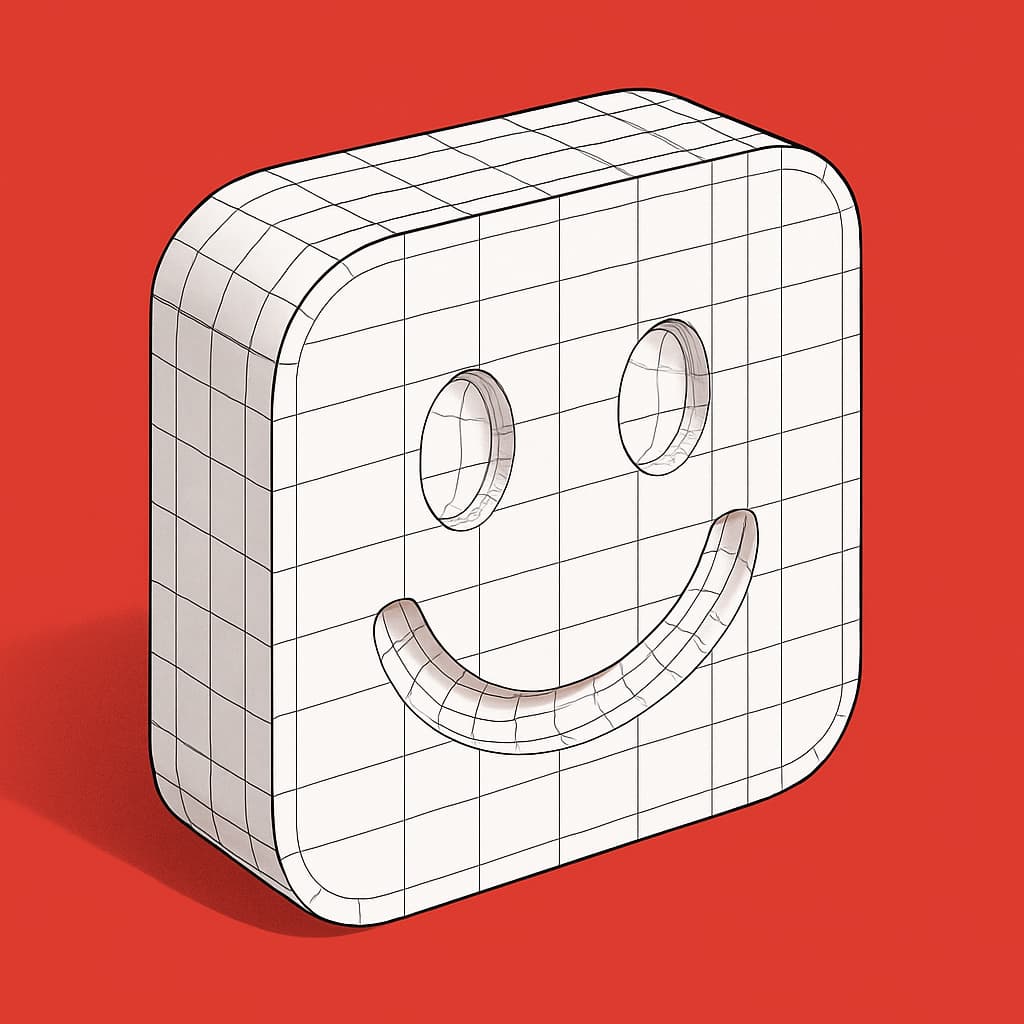
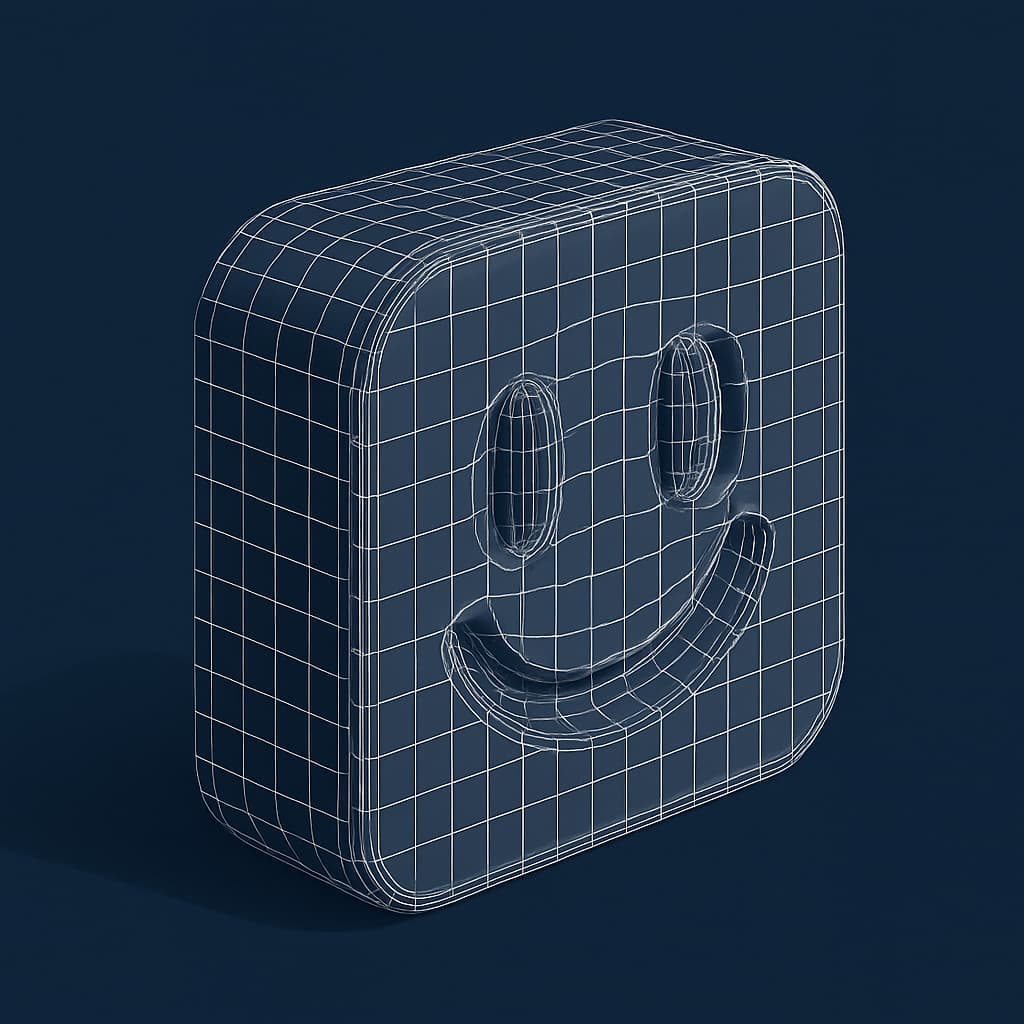
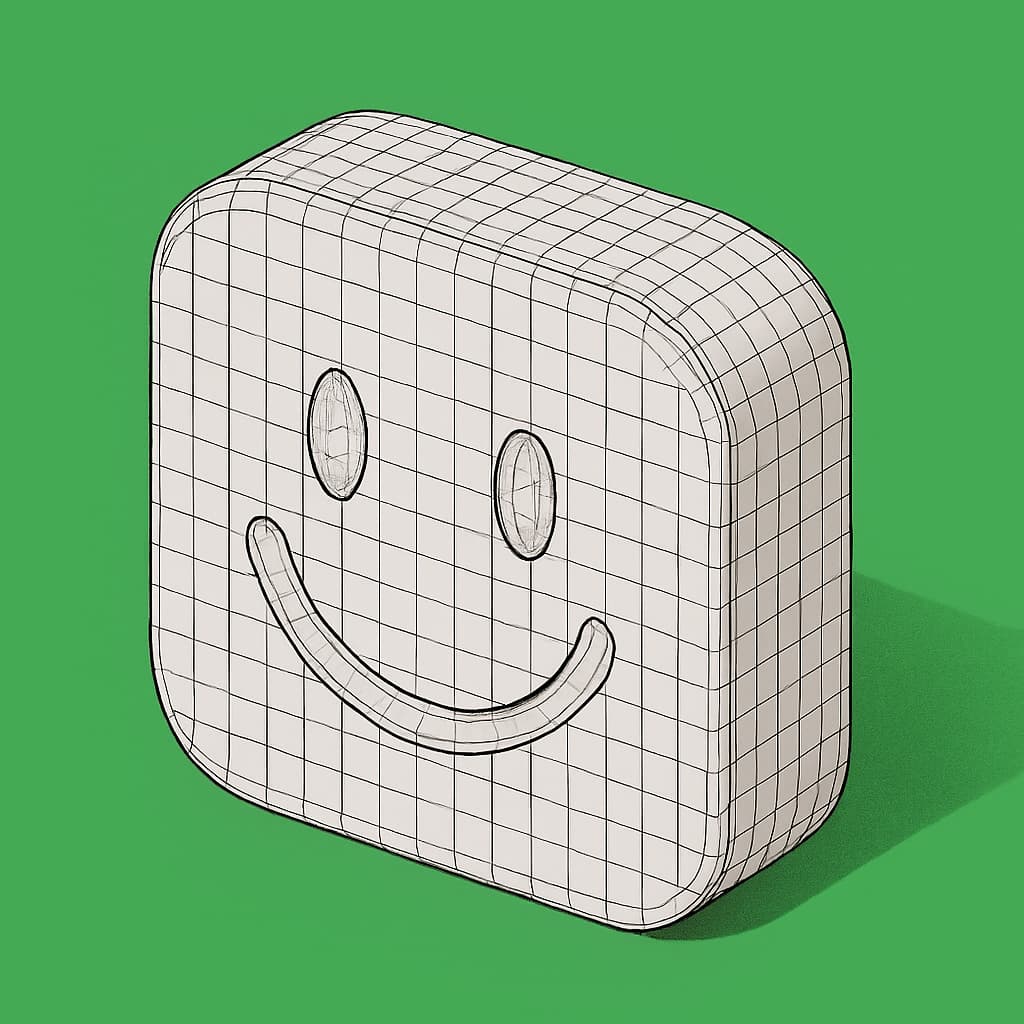
Hey @aggressiveGarlic. I like that nickname. 
Did you ever try to:
1st: Reverse an image like this?
Which means: Giving chatgpt an isometric image like yours in a new chat and ask:
What may have been the prompt for this, including the angle, camera settings, etc.?
Absolutely. Here are 3 GPT-4o image prompts that reliably control the isometric perspective by varying the camera angle and orientation. Each prompt targets a different isometric viewpoint:
 Bonus Notes:
- These prompts avoid ambiguous words like “from above” alone, instead, they specify azimuth (direction) and elevation (angle).
- You can tweak with phrases like “make left wall more dominant” or “rotate 15° to the right” in follow-up prompts if needed. And so on.
I hope this all makes sense so far.
2nd: Try to include the perspective and the camera angles?
1st try: Front-Left Isometric (Classic)
Prompt
An isometric view of a cozy coffee shop, viewed from a 45° top-down angle, with the front and left walls equally visible. The scene should look like a miniature 3D diorama, with tables, chairs, and customers inside. The roof is removed for interior visibility.
2nd try: Rear-Right Isometric (Inverse / less common)
Prompt
Isometric cutaway of a tech repair workshop, seen from a 45° top-down rear-right angle. The camera is positioned above and slightly behind the building, showing the right and back walls equally. Remove the ceiling and front wall for interior visibility. Include shelves, tools, and workbenches.
3rd try: Shallow Isometric (Lower elevation = more dramatic)
A futuristic isometric lab rendered at a low top-down angle of 30°, facing the front-right corner. The viewpoint should feel closer to eye level, showing more of the vertical height of objects and less of the floor. Include holograms, glowing equipment, and scientists working inside.
I hope that helps.
I’d suggest: You could even ask them in o3 (I created them trying those in 4o)
and maybe even help you to automatically either derive the perspective from a given pic OR create, respectively ADD the angle descriptions automatically, then you should be probably able to use: manually phrased technical language, even common normal language and it should recognize it into a prompt that makes sense and makes the pic show up to your liking.
P.S.: Please keep in mind that I NOT did iteration to improve those to make them actually appear correctly as much as possible each time. This is just to give you a start.
Because already pic 1 and 2 look to me basically like the same perspective, I guess?
And maybe having used the same thing each time would have been a better idea.